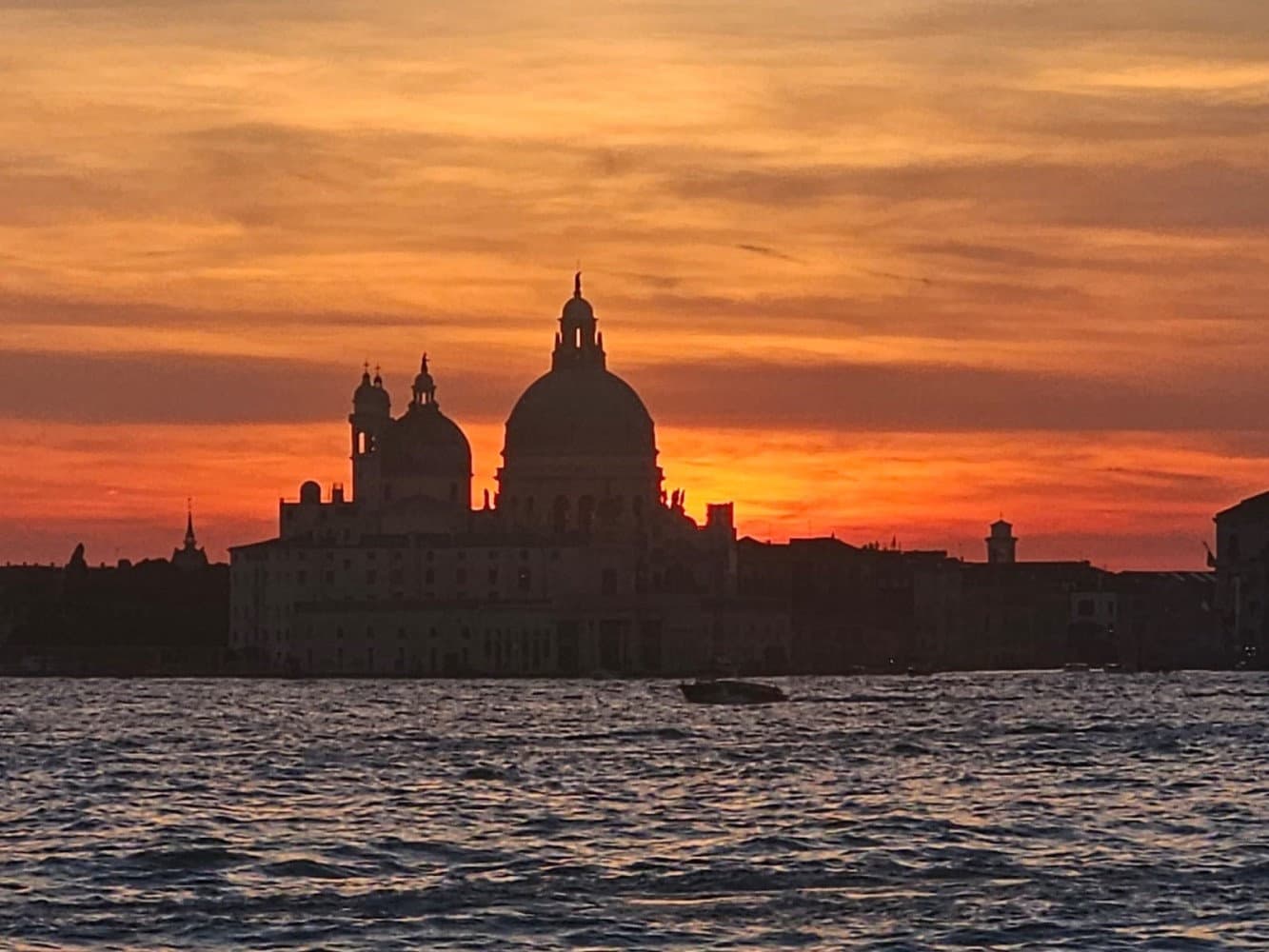
Biennale di Architectura di Venezia
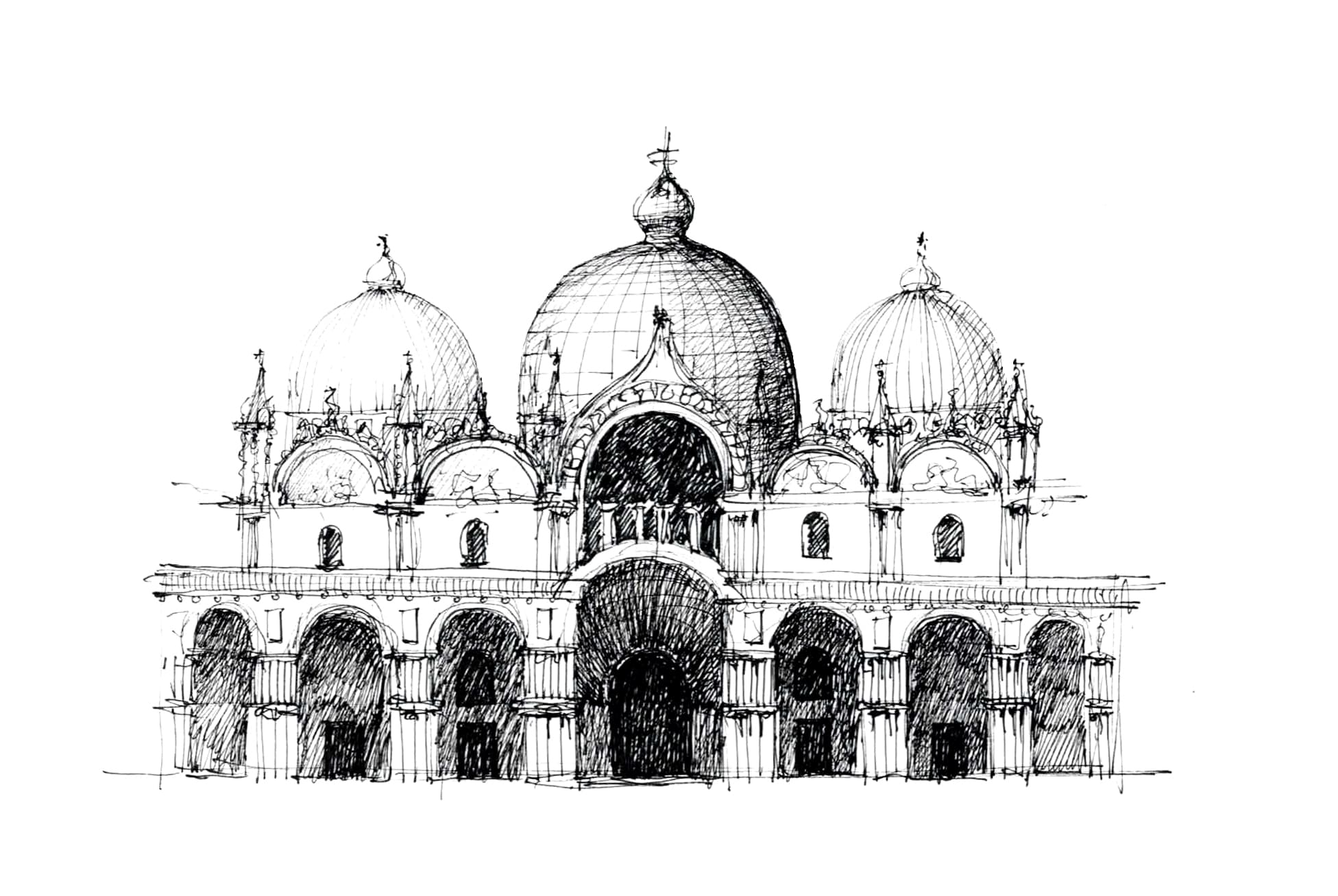
A saying goes: «He who wants to do something finds a way, and he who doesn't finds excuses». Following it to the letter, the celebration of a friend's birthday has been the perfect vehicle to take a couple of days off from our busy daily tasks and gather at one of the most important events of the architectural community: the Biennale di Architettura di Venezia.
Despite the expectations and excitement, the first day was a bit frustrating. We left «I Giardini Publici» wondering: Is this Biennale really about Architecture? The national pavilions in the public gardens, housed in buildings constructed in the second half of the last century, host countries such as France, Germany, Japan, Spain, United Kingdom, Finland, Norway/Sweden… Some of them are worth a visit for their architecture, regardless of the content of the exhibition.
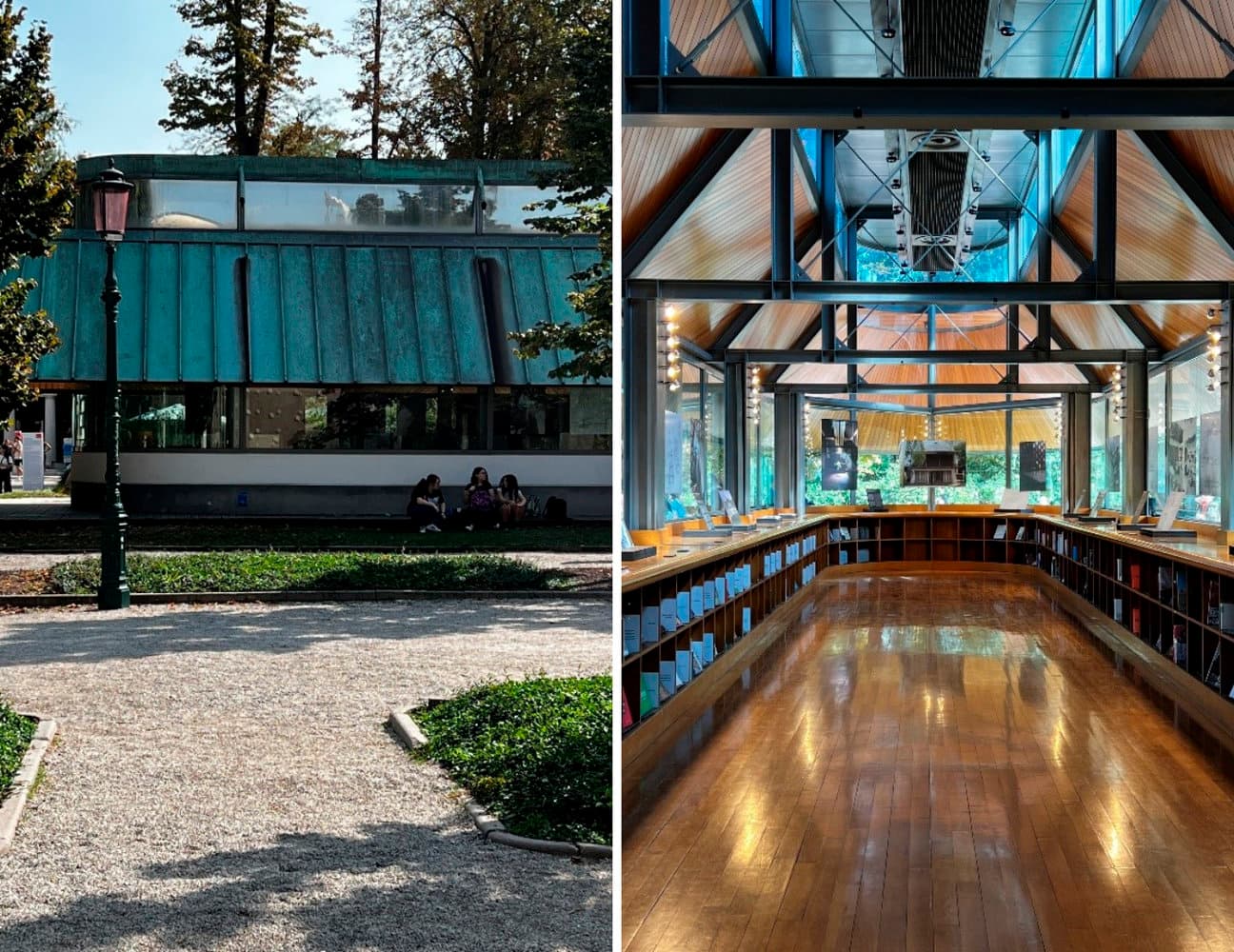
In the Electa bookshop pavilion, designed by James F. Stirling in 1991, we were fascinated by how it incorporates natural light into the interior.
Electa bookshop pavilion
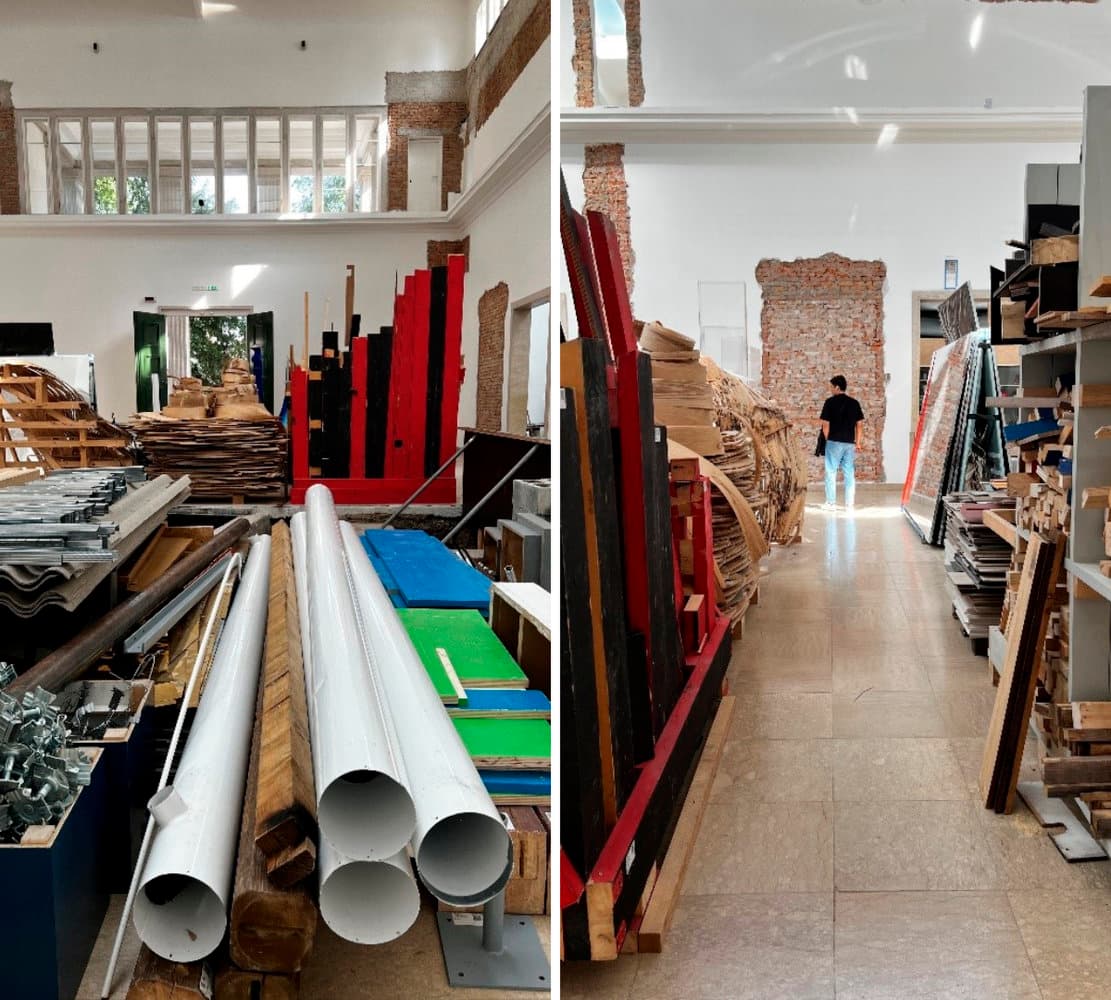
We found that some proposals from the national pavilions have a certain «artistic» appeal, but in most of them, we missed a more direct focus on Architecture. Many European countries articulate their exhibition as a form of denunciation: Germany on the amount of construction waste, with a title that reads «Open for Maintenance»
Germany pavilion: Open for maintenance.
Denunciation of the waste of energy involved in producing, maintaining and transporting food to consumers (Spain).
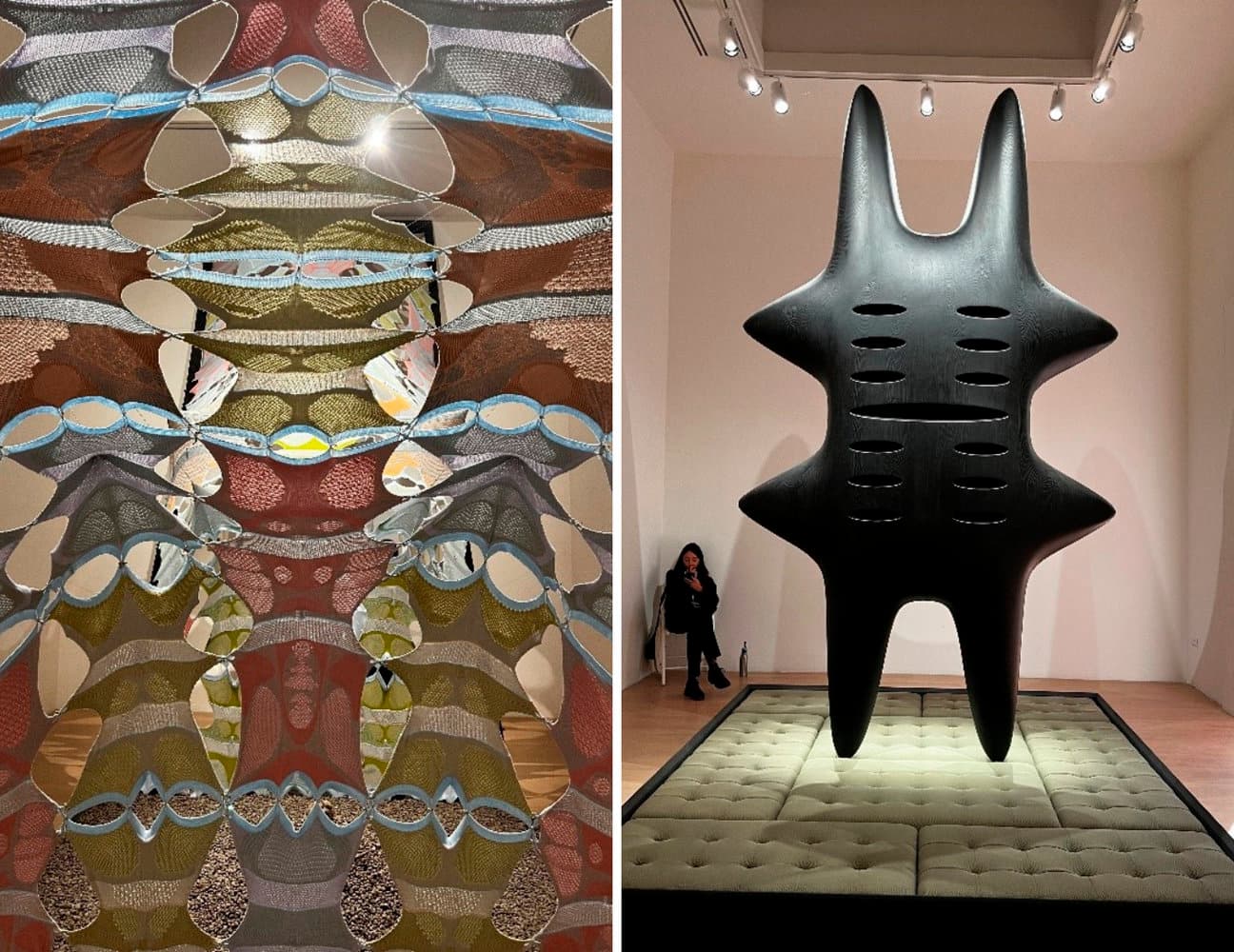
Denunciation of the refugee crisis, through five works by immigrants in the United Kingdom. By the way, some of them very interesting…
United Kingdom pavilion exhibition
We agree with all these countries that in the Architecture (construction) sector we have for a long time been doing quite a few things rather badly, and that these global, «non-commercial» gatherings are the perfect place to promote debate and reflection. But we would have loved to find these criticisms accompanied by a constructive proposal on what the path should be that architecture must follow in countries as industrialized and dense as the European ones.
I am sure that in Europe there are many architecture proposals (just unveiled or in the design process) worth showing that would be capable of articulating a discourse around architecture. And I refuse to think that Architecture is only a monster that destroys the planet and produces a guilty conscience.
Fortunately, the second day was a pleasant surprise, with good exhibition design and interesting architectural narratives.
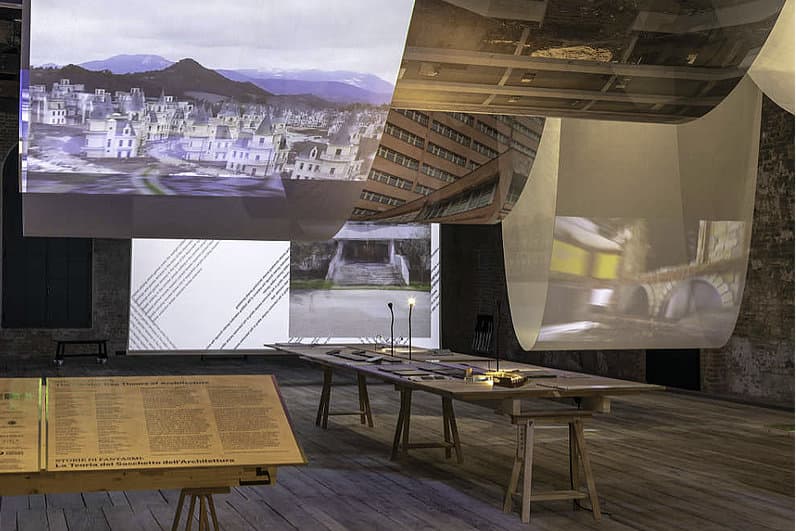
Sevince Bayrak and Oral Göktas, from the studio So? Architecture and Ideas, were selected as curators of the Turkey pavilion. Under the name «Ghost Stories: Carrier Bag Theory of Architecture», they showed how we architects can transform buildings instead of demolishing them, revealing hopeful proposals for the future.
Of course this topic is of special interest to us, for what it means to reuse existing architectural containers, from the point of view of resource use, and for addressing the contemporary problem of historic construction threatened by obsolescence. But what's more, the installation and the narrative are particularly well designed and woven together.
Plenty of bibliography accompanies it with technical competence, and the examples in the exhibition range from small constructions to others of urban scale.
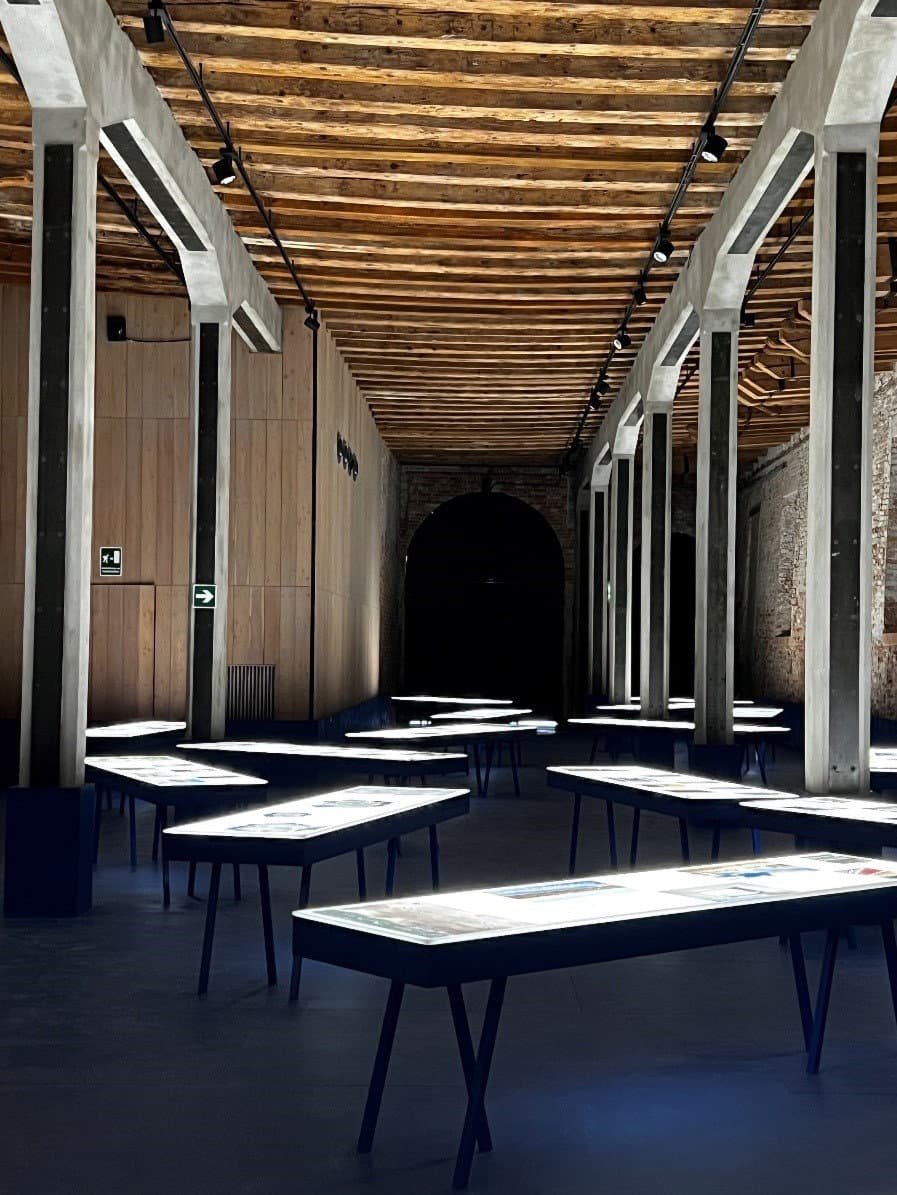
The Argentina pavilion, in keeping with the theme posed by the title of the Biennale, «the laboratory of the future», reflects on «the future of water» as an essential resource for human life, and its relationship and impact with architecture.
Twenty terms related to water offer a glimpse of photographs of Argentine architecture, highlighting the relationship between drinking water and the architectural and urban planning disciplines, and promoting a reflection on future actions.
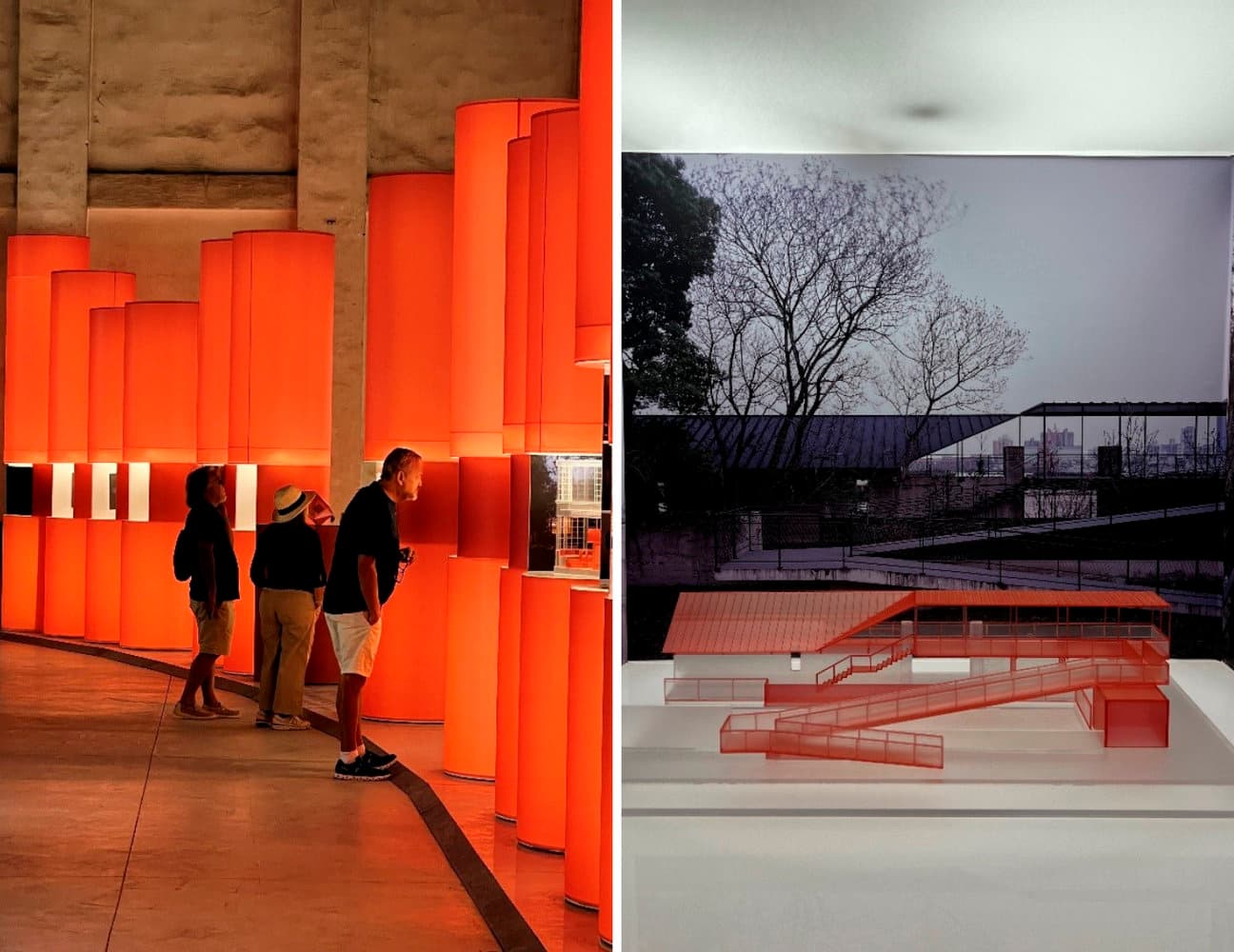
In our opinion, the star of the exhibition could be China, which under the theme «Renewal: a symbiotic narrative», and with a very suggestive aesthetic, presents 40 illuminated totems (white and red) that stand out in a dimly lit industrial space. And through them it tells us about the country's urban and rural development through models and photographs.
The exhibition offers a retrospective of the 40 years of urbanization of Shanghai, where a fascinating and uncommon paradox occurred: the population increased from 11 to 25 million, and at the same time, the free space per capita increased from 4.5 to 37.4.
The Chinese proposal tells this evolution through urban interventions in the city of Shanghai, well narrated and with superbly crafted supporting material.
China Pavilion: "Renewal: A Symbiotic Narrative"
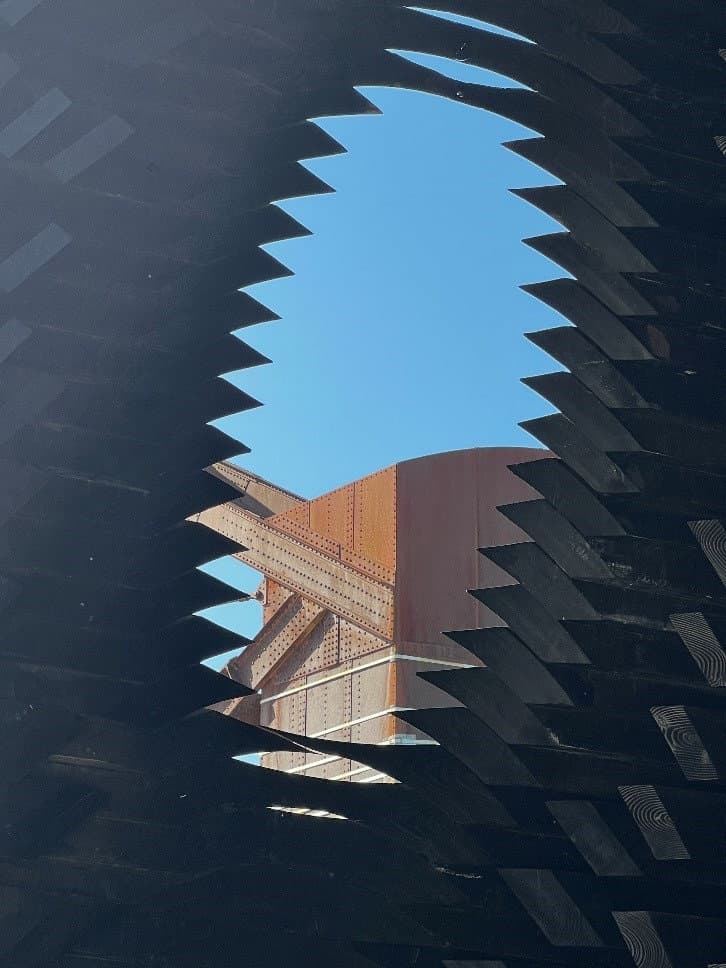
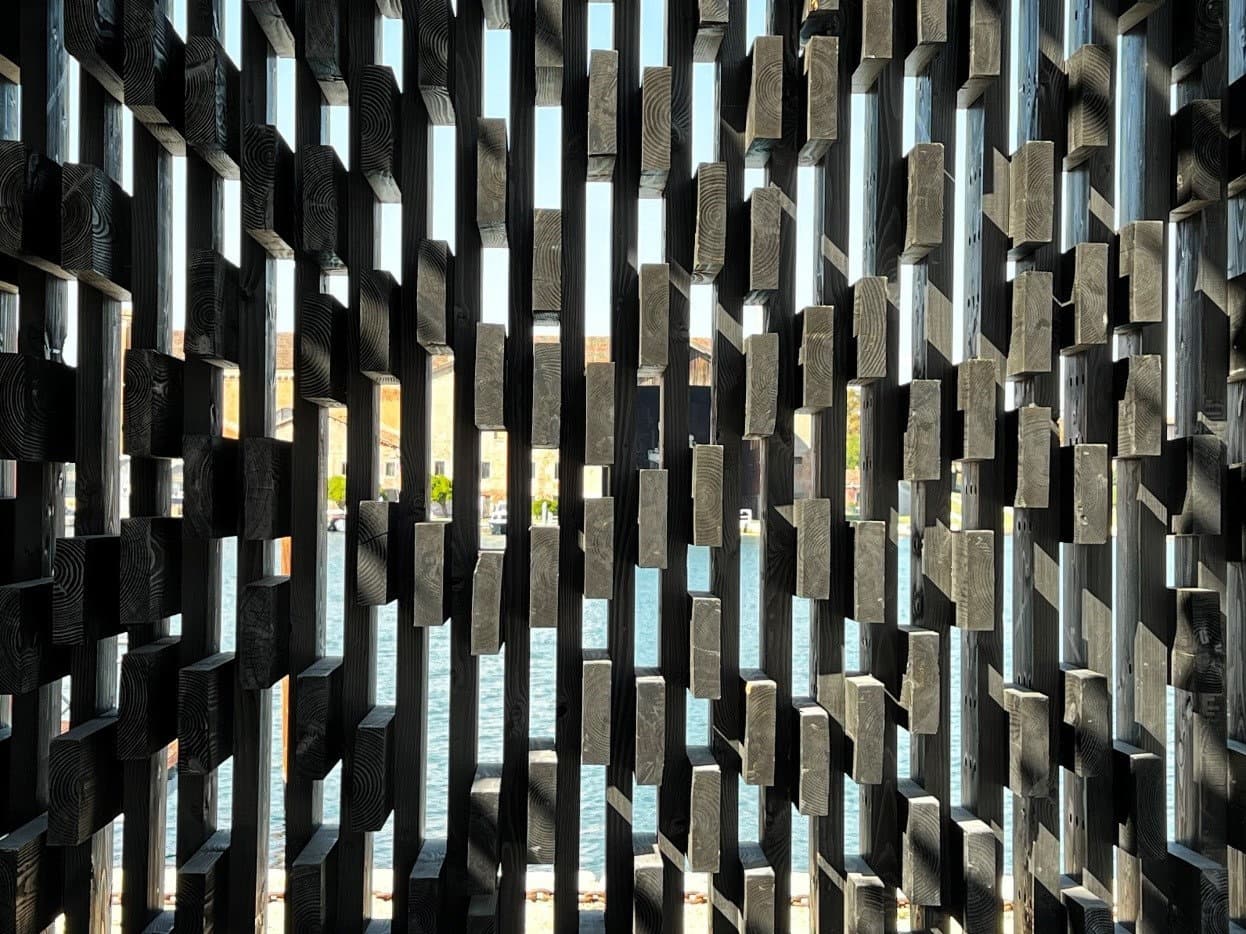
Another exhibition we loved was the set of impressive projects by Adjaye Associates: the one that moved us most is the triangular pavilion rising on the outskirts of the historic Arsenale grounds. A triangular prism that creates a captivating play of light and shadow, enveloping the space in a serene forest atmosphere and allowing the canal to be seen through the intricate wooden interstices.
The installation not only offers a space for contemplation and rest, but also serves as a versatile space for events and gatherings of the most diverse purposes.
David Adjaye presents "The kwaee" at the Biennale di Architectura di Venezia.
David Ajaye presents "The kwaee" at the Biennale di Architectura di Venezia.
Whatever social, political or moral issues one wishes to address, we believe that the way to show them at an Architecture Biennale should be through Architecture.
Over the years, the Venice Biennale has forged an unrivalled position as the world's foremost architecture gathering. We sincerely hope that in two years we will be able to see more architectural works that do not turn the event into something different.
Our plans include finding an excuse that, in a couple of years, will take us back there again. We have to see how our beloved Biennale evolves. And of course, visiting Venice is always a pleasure!
See you next time, Venezia!